updates
Vast Establishes Lunar Programs Division, Applying Haven Flight Heritage to Power, Communications, and Habitats on the Moon
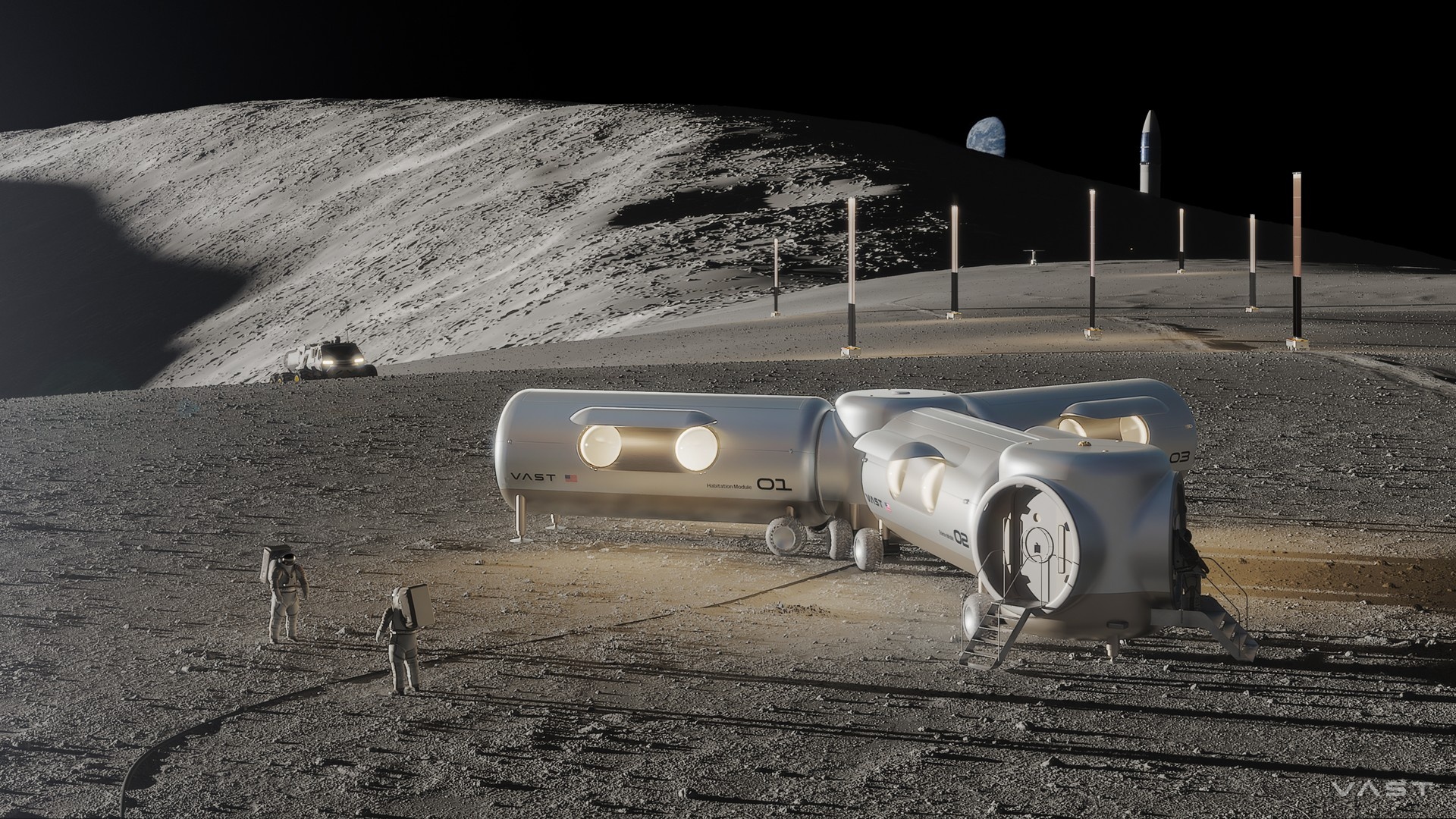
Vast, the company building next-generation space infrastructure, today announced that it has established a Lunar Programs division. Leveraging its commercial space station and satellite development heritage, Vast Lunar Programs is dedicated to helping advance NASA’s vision for a permanently crewed Moon Base.
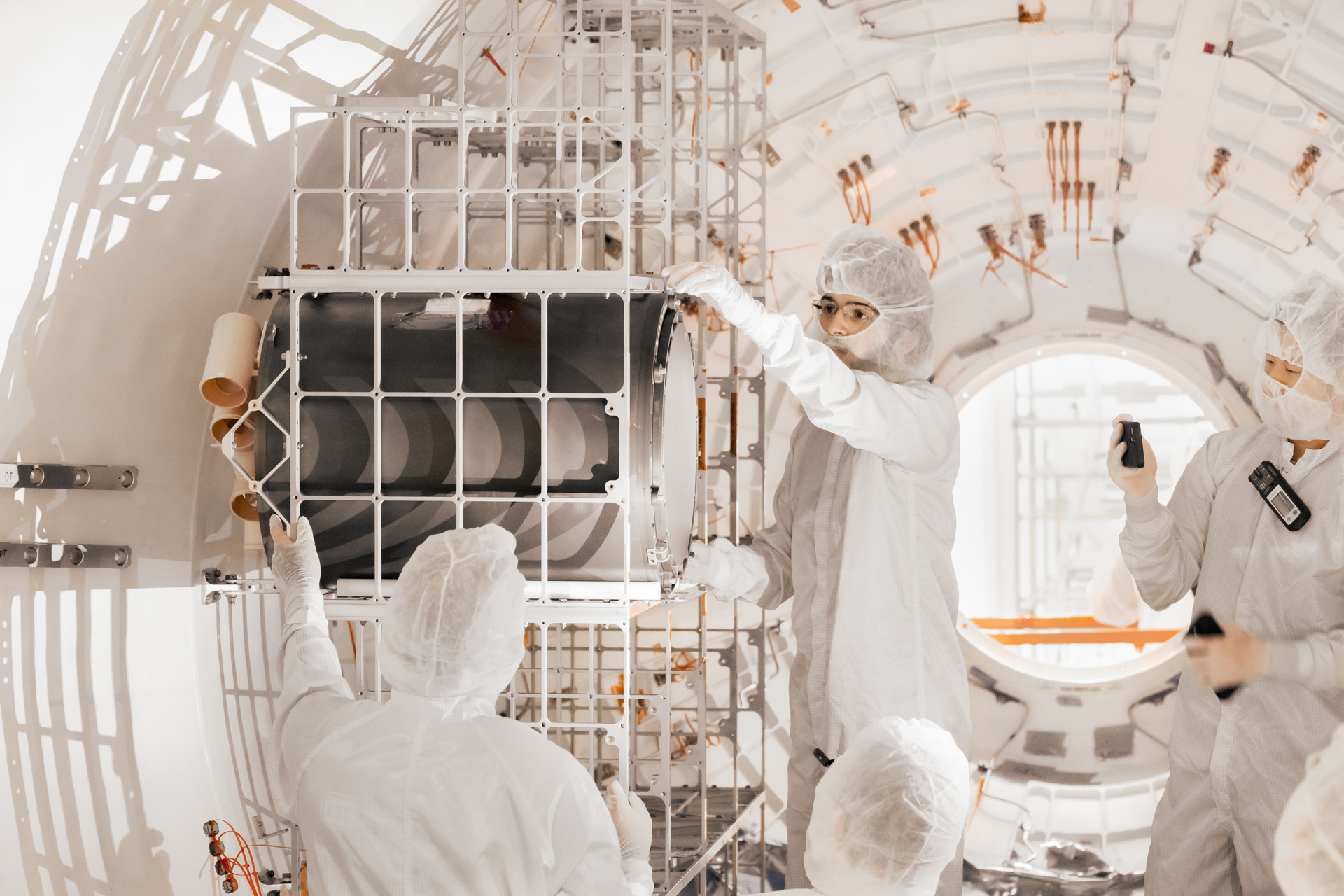
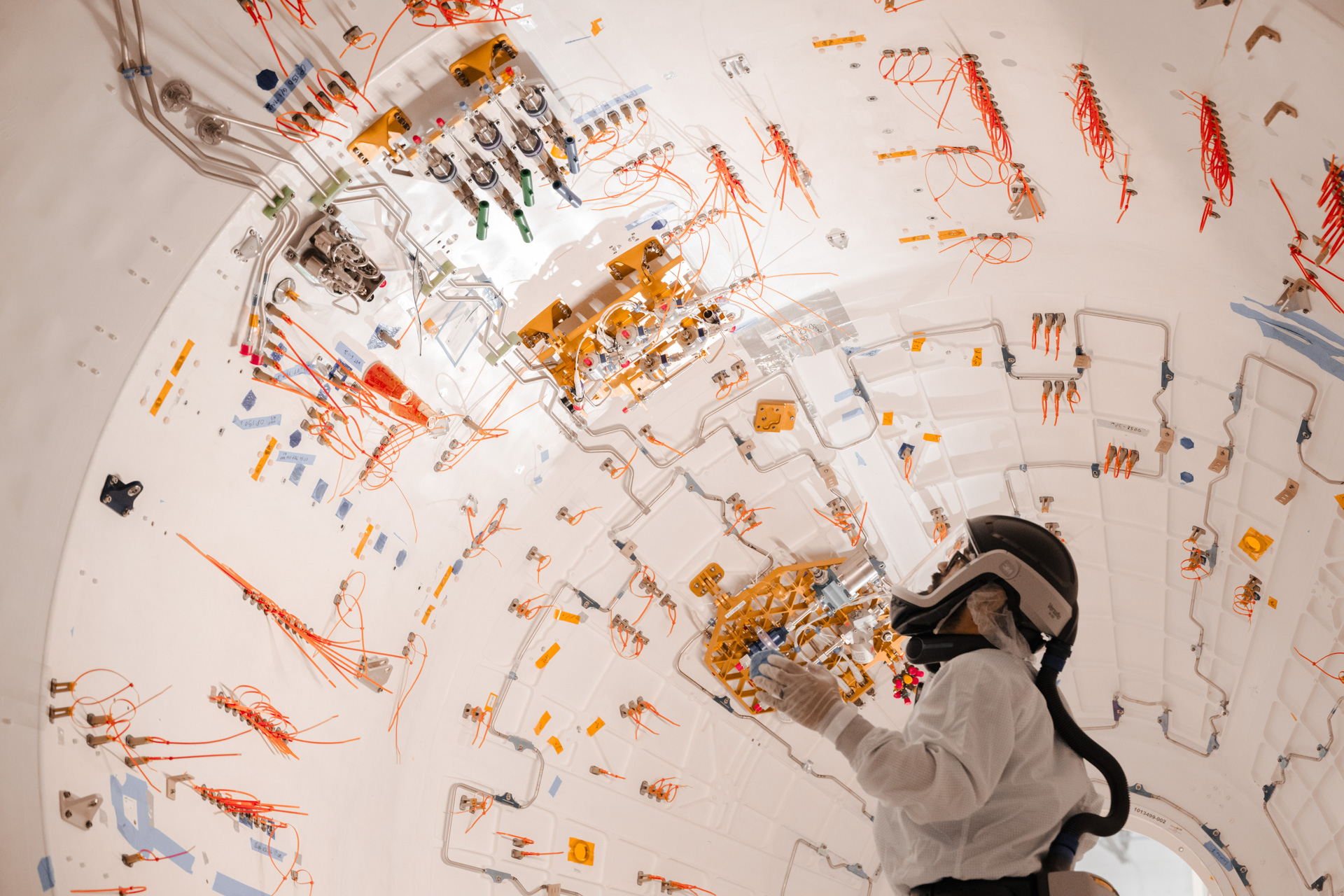
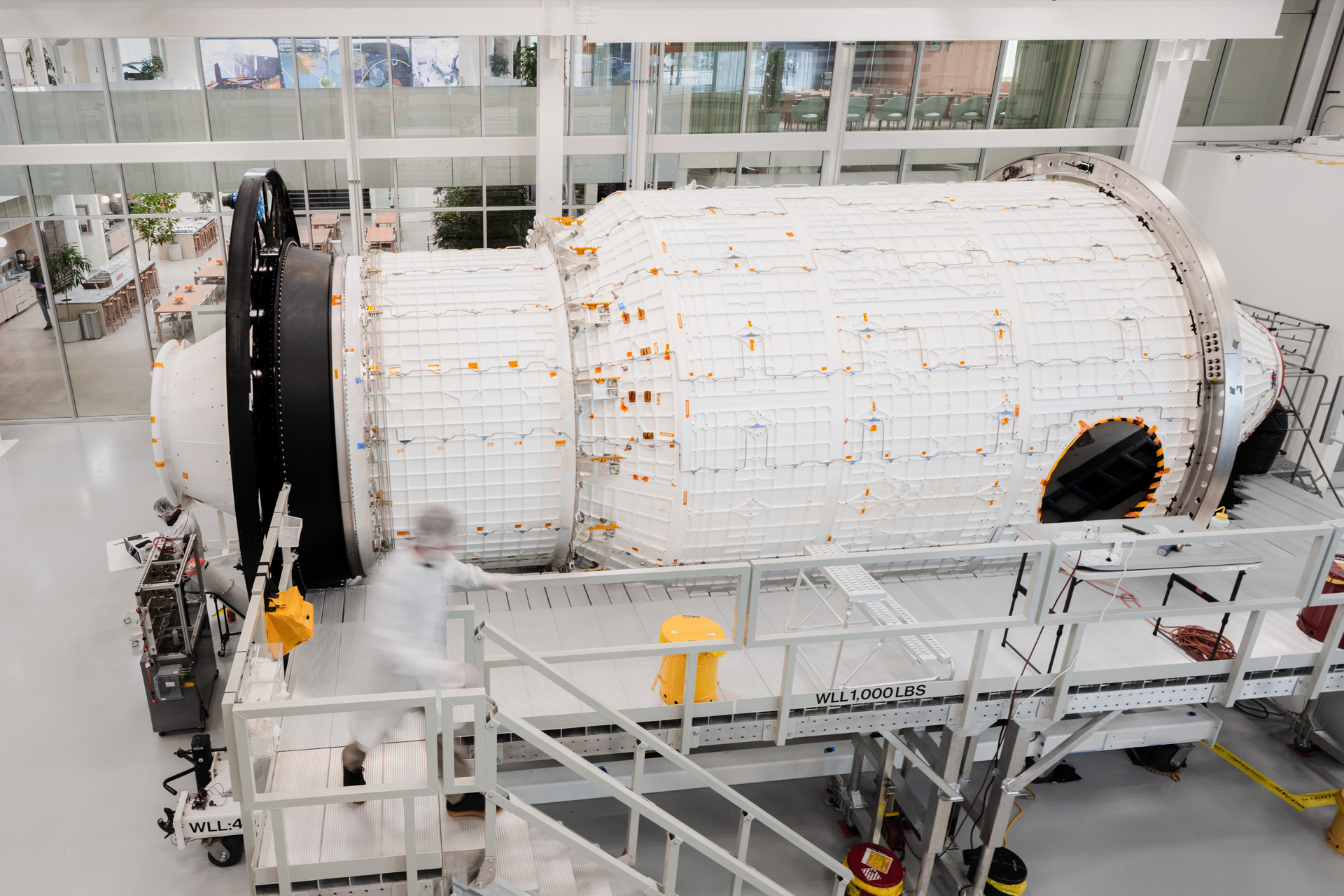
Vast’s Haven‑1 is targeted to be the world’s first commercial space station, with launch anticipated in 2027, and is currently in final integration in the clean room at Vast headquarters in Long Beach, California. By building upon the technologies, systems, and operational experience developed through the Haven‑1 program, Vast is developing a scalable path toward lunar infrastructure, scientific discovery, and long‑term human exploration.
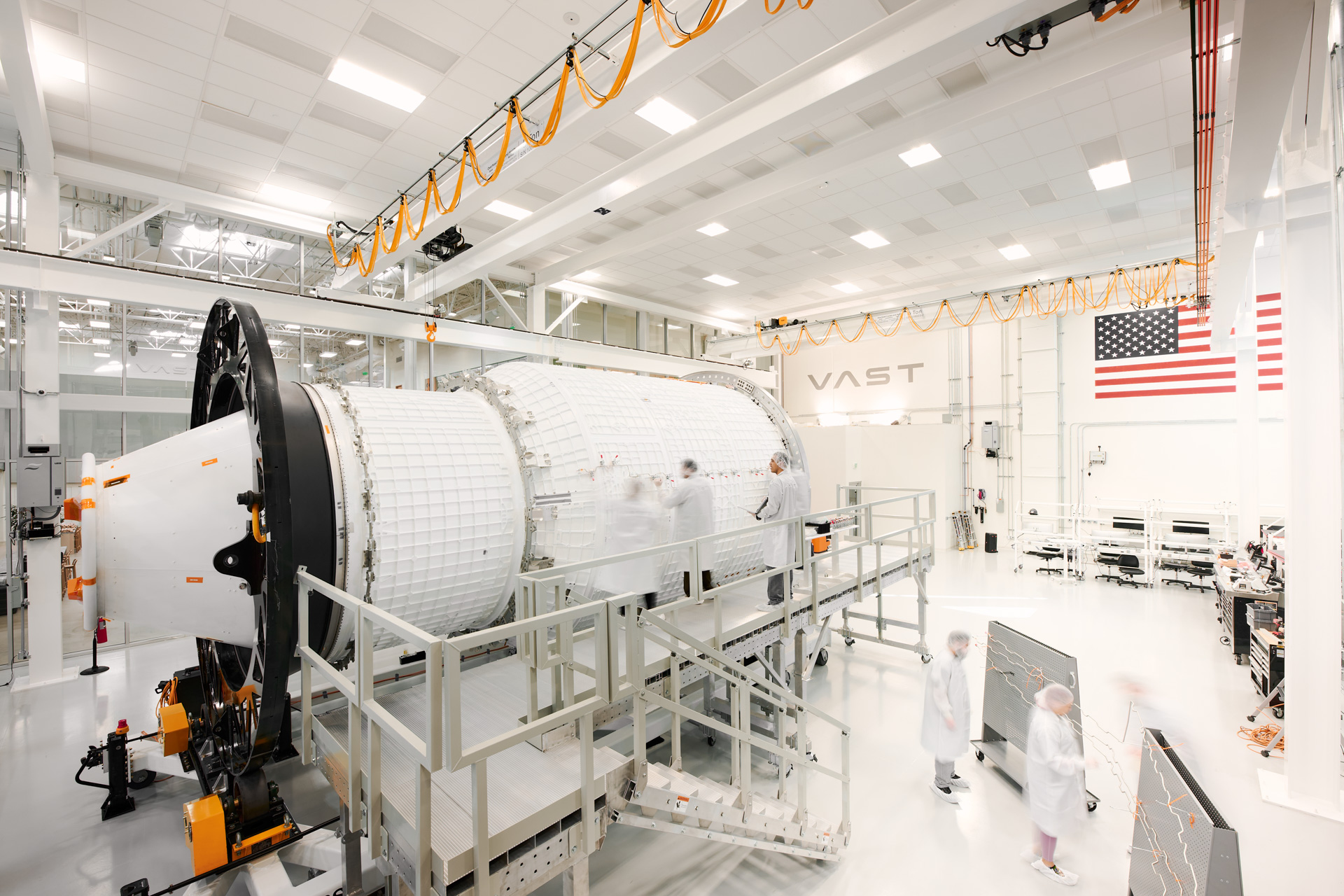
In the coming years, NASA plans to ramp up lunar activity, working with American industry to continuously deliver payloads to the lunar surface and to lunar orbit. Through its experience building large, crew‑rated space infrastructure, life support systems, thermal control systems, avionics, power systems, and habitats, Vast is positioning itself to rapidly meet the demands of NASA’s Moon Base program.
“Vast has the manufacturing capability, flight heritage, and technical expertise needed to help build humanity’s first lunar outpost,” said Max Haot, CEO of Vast. “By vertically integrating the engineering, manufacturing, and testing of habitats and infrastructure, Vast can move with the speed, efficiency, and safety that this national imperative demands.”
Consistent with Vast’s stepping‑stone approach, Vast proposes a hardware-driven roadmap aligned with NASA’s vision for a phased, iterative Moon Base designed to build capability over time.
- Phase 1: Establish reliable access to the surface and experiment. Deploy foundational infrastructure and conduct technology demonstrations that reduce risk for future crewed systems.
- Phase 2: Enable initial Moon Base operations. Introduce permanent surface elements that support operations and validate critical habitation technologies.
- Phase 3: Support a semi‑permanent crew presence. Deploy the systems and infrastructure required to sustain long-duration, crewed operations on the lunar surface.
Vast’s Planned Lunar Programs Offerings
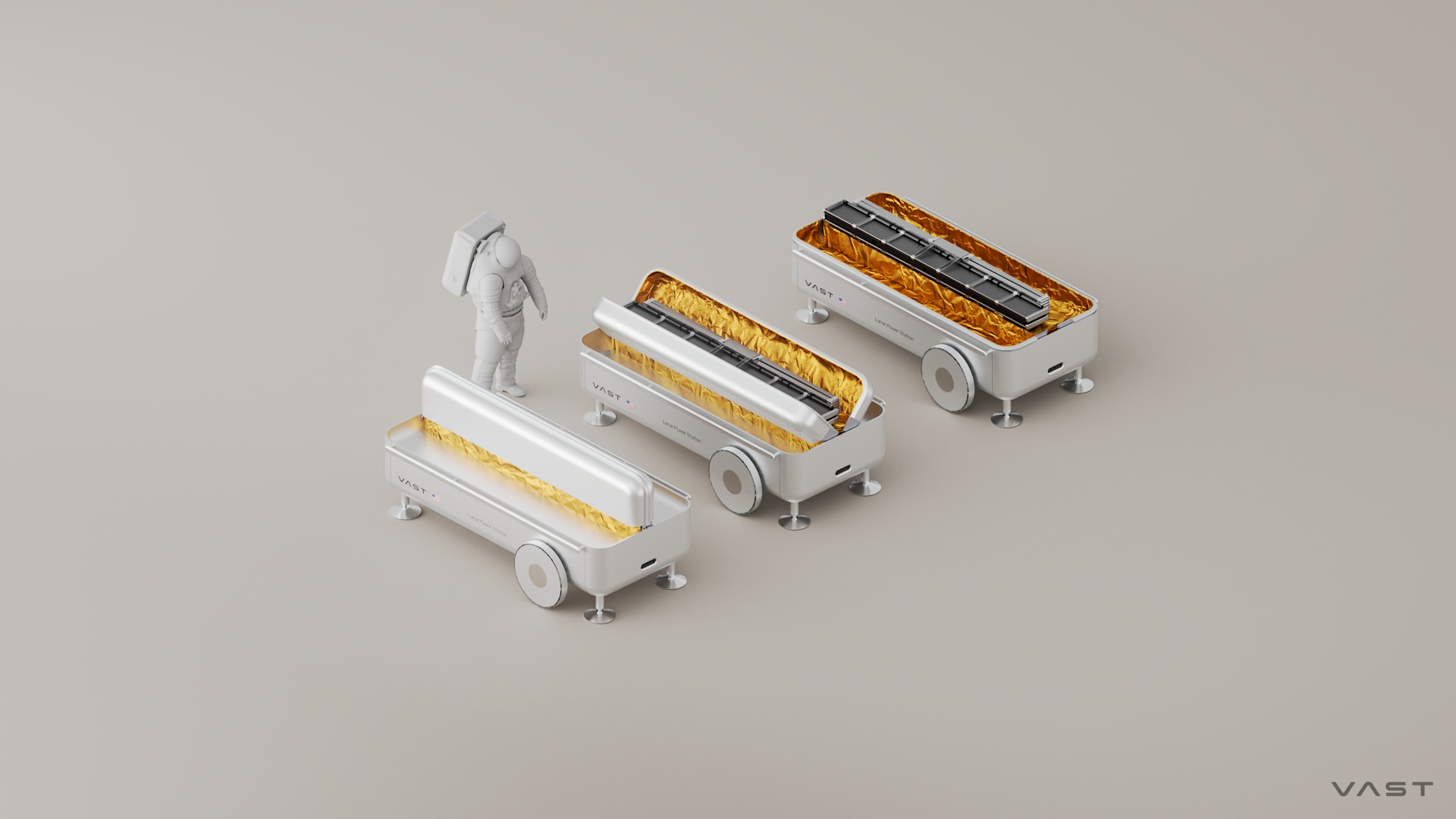
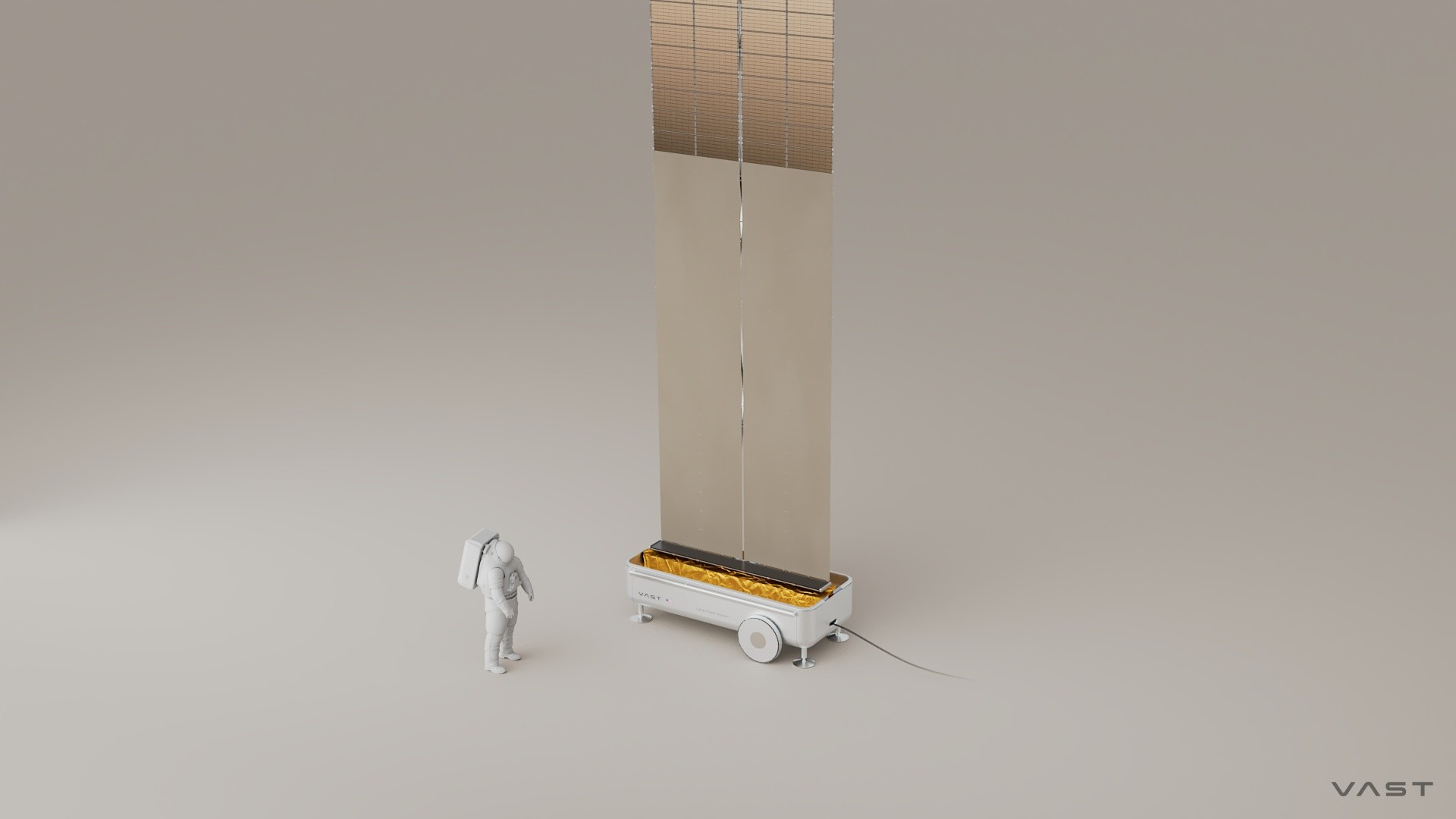
- Vast Power Station: The system focuses on solar generation, energy storage, and power distribution, establishing foundational infrastructure required for subsequent lunar activities.
.jpg)
.jpg)
- Haven‑derived lunar airlock: Following the power station, Vast plans to deliver a free-standing airlock to validate solutions to the hardest near‑term challenges of lunar surface operations: ingress and dust mitigation, pressure vessel reliability, extravehicular activity suit compatibility, efficient pumping operations, and surface placement techniques. Retiring these risks in a dedicated system, before a full habitat ever reaches the surface, reduces technical risk on hardware that is more affordable than a full habitat module. Once its performance is validated, the design is intended to be replicated as the node structure connecting additional habitat modules.
- Lunar habitat: The culmination of Vast's lunar architecture is a multi‑module habitat designed to support long‑duration crewed operations. The habitat is designed to include life support and thermal control systems, avionics, communications systems, and the consumables to support crew on the Moon.
“Very few companies in the world are actually building crewed space systems,” said Colin Smith, Senior Vice President of Lunar Programs at Vast. “Doing it well requires excellence across engineering, manufacturing, testing, safety, mission operations, software, and a dozen other disciplines all at once.” As a founding team member at Vast, Smith drove the Haven‑1 program from inception through initial flight build and plans to bring that same execution‑focused mindset to Vast’s Lunar Programs.
A Communications and Navigation Layer for the Moon
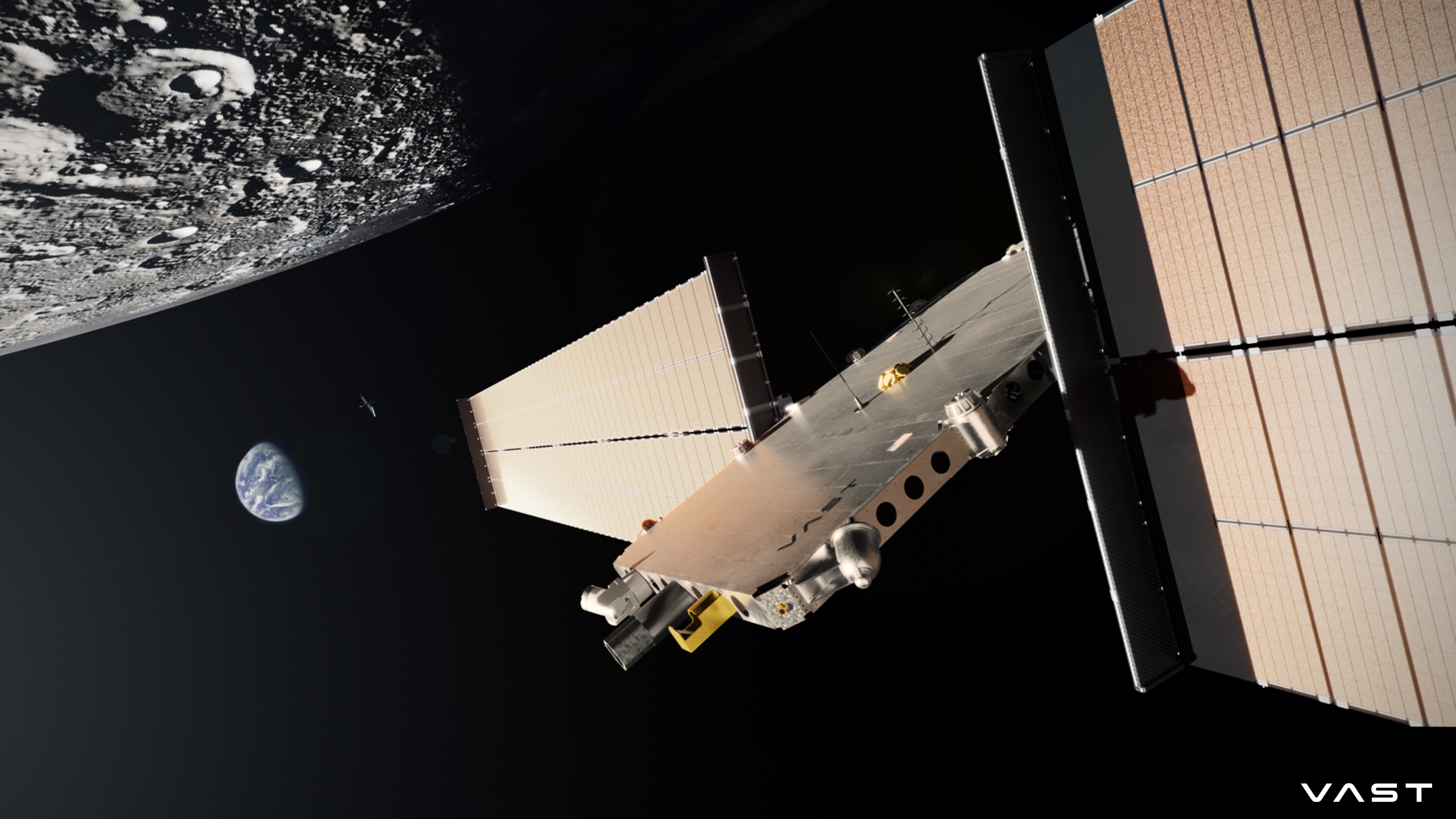
Lunar surface assets, including power stations, airlocks, and habitats, will require a communications pathway to the rest of the lunar ecosystem, and back to Earth. Additionally, position and navigation information will likely be required for these assets and other subsystems such as lunar rovers. Vast's proposed lunar communications and positioning satellite constellation will be designed to provide continuous lunar South Pole coverage, reliable Earth connectivity, and improved situational awareness for those surface and orbital operations.
The architecture is intended to complement NASA's planned Lunar Communications Relay and Navigation Systems (LCRNS), reduce reliance on constrained shared assets such as the Deep Space Network, and scale to broader lunar activity through the addition of future orbital planes. Its design draws directly on the manufacturing efficiencies and in‑space learnings of Haven Demo and the Vast Satellite program, which is targeting a late 2027 launch of 10 of its high‑power, 15 kW‑class satellites.
Building Upon Flight‑proven Systems
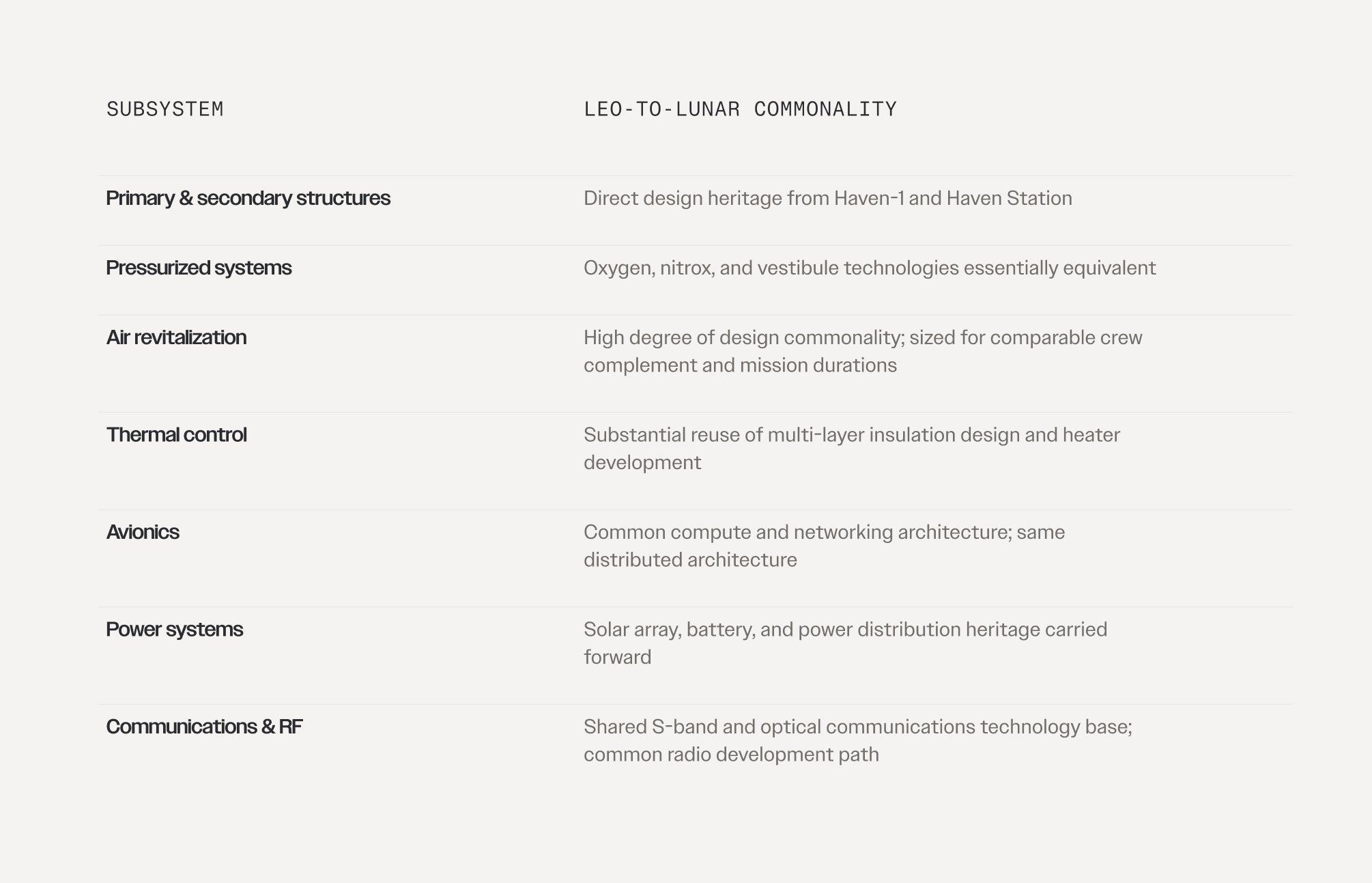
Safe, reliable, human‑rated space stations build the foundation required for habitats on the Moon. Much of the technology and processes developed for the Haven program, from pressure vessels, life support and thermal systems, avionics and power systems, flight software to operational processes, are expected to be applicable to the Moon Base program.
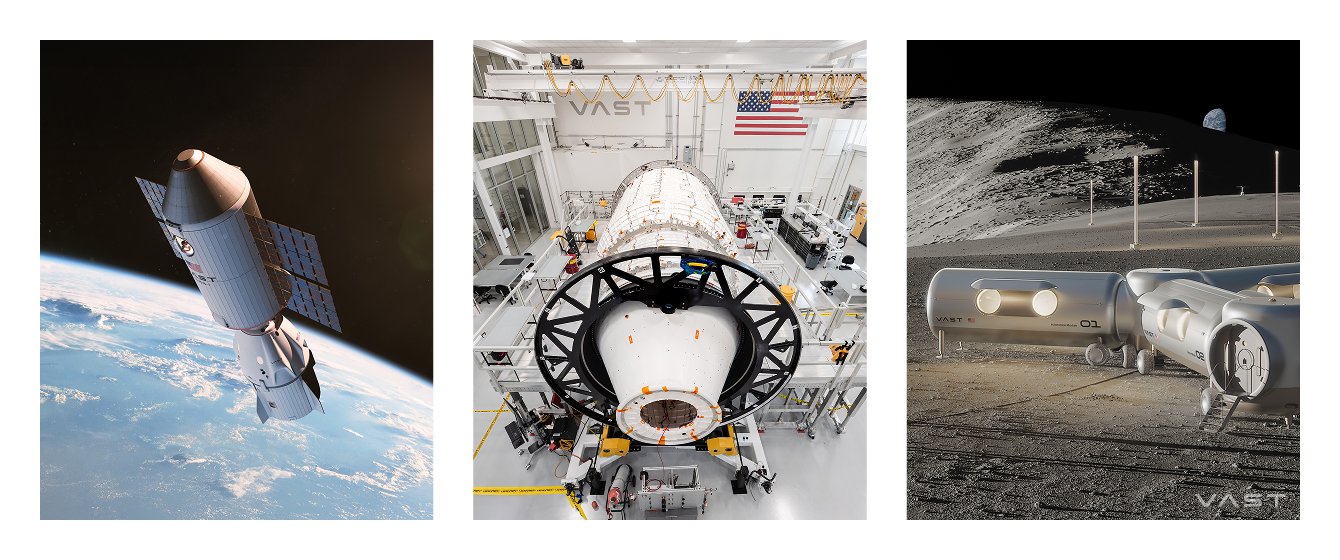
Each subsequent Haven module is designed to improve upon its predecessor through advancements in architecture, utilization, and operational capability. The Vast Lunar habitats are expected to directly benefit from these continuous upgrades, creating a technology pathway from commercial space stations in low‑Earth orbit to permanent infrastructure on the lunar surface.
.jpg)
.jpg)
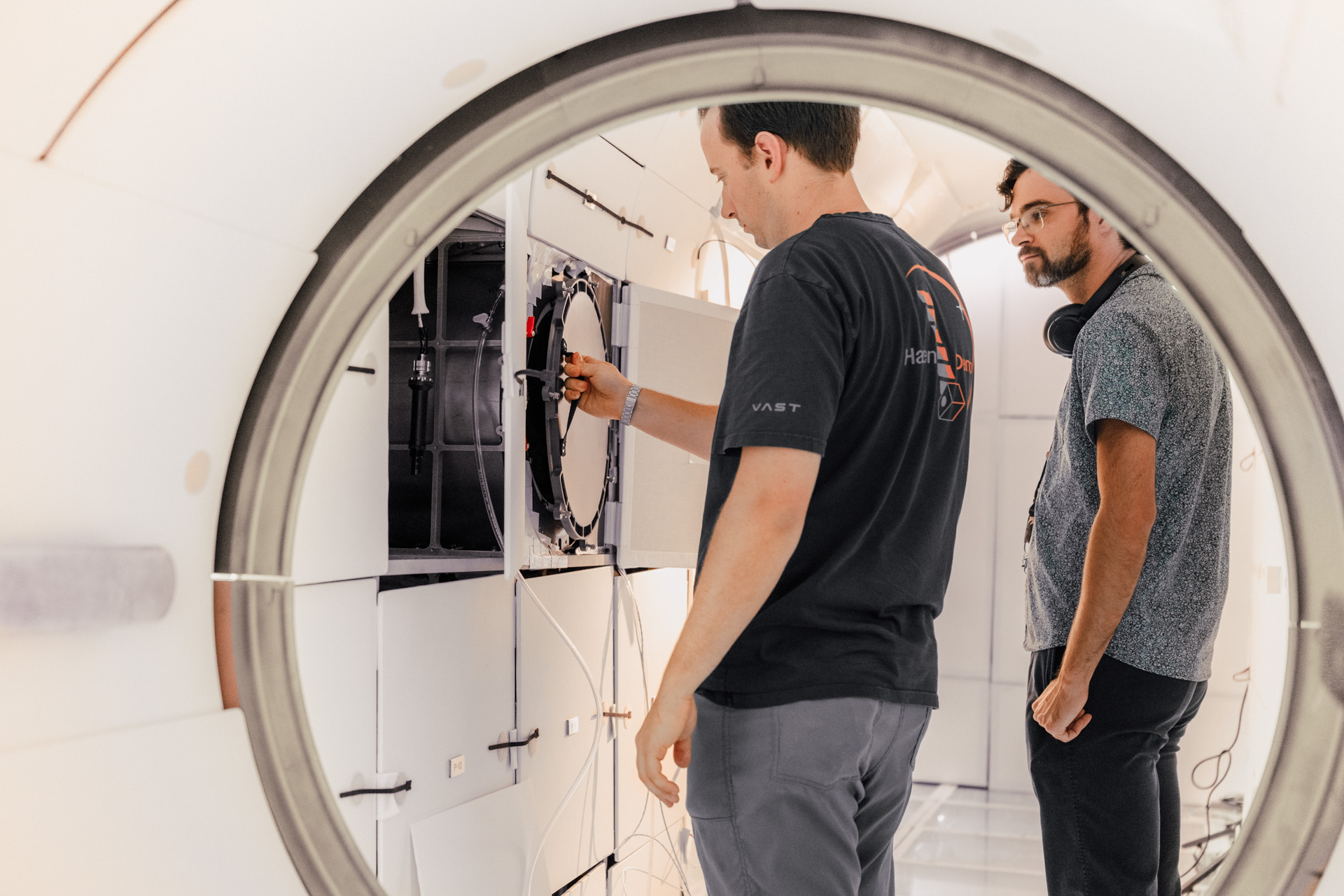

Vast's mission is to build the infrastructure that enables humanity's continuous and long‑term presence in space. Through its vertically integrated model for development and flight‑proven systems, Vast is positioned to deliver for NASA's Moon Base program and to help secure an enduring American presence on the lunar surface.
To see open roles in Vast’s Lunar Programs division, visit: https://www.vastspace.com/careers?departments=Lunar
About Vast
Vast is developing next-generation space stations and space infrastructure using an incremental, hardware-rich, and capital-efficient approach. Vast is rapidly developing its multi‑module Haven Station to support a continuous human presence in space for America and its allies, enabling advanced microgravity research and manufacturing, and supporting a growing space economy for government, corporate, and private customers. Haven Demo’s 2025 success made Vast the only operational commercial space station company to design, build, and operate its own spacecraft in orbit. Next, Haven‑1 is targeted to become the world’s first commercial space station, with launch anticipated in 2027, followed by additional Haven modules. Additionally, the company recently announced Vast Satellite, a high-power satellite product line leveraging its space station components and the heritage of Haven Demo.
Headquartered in Long Beach, California, and with more than 1,000 employees and over a billion dollars in private capital, Vast has built the facilities capable of manufacturing America’s next space station. The company plans to develop future habitats and systems for the Moon and Mars, dedicated modules for government partners, and other crewed systems designed to unlock the expanding long-term space economy.
.jpg)
